Today, AOI will provide you with a quick rundown of some of the most common product terms in the contract furniture industry.
Let's start with workstations, which are usually the largest product component of the average floorplate. A floorplate, by the way, is the entire space, which can be depicted in a design or real estate drawing, like a CAD plan.
Workstations usually consist of a worksurface and some form of storage. The worksurface can be fixed, free-standing, or height adjustable. Storage is usually attached above or beneath the worksurface, sometimes both.
Storage can also be mobile, like the pedestal in the above video. Pedestals, or peds, are often described by their storage capabilities. One of the peds in the above video is what's called a Box/Box/File.
Lateral file storage is another type of storage, usually described by how many drawers it has. These are less common as the modern workplace becomes more digital.
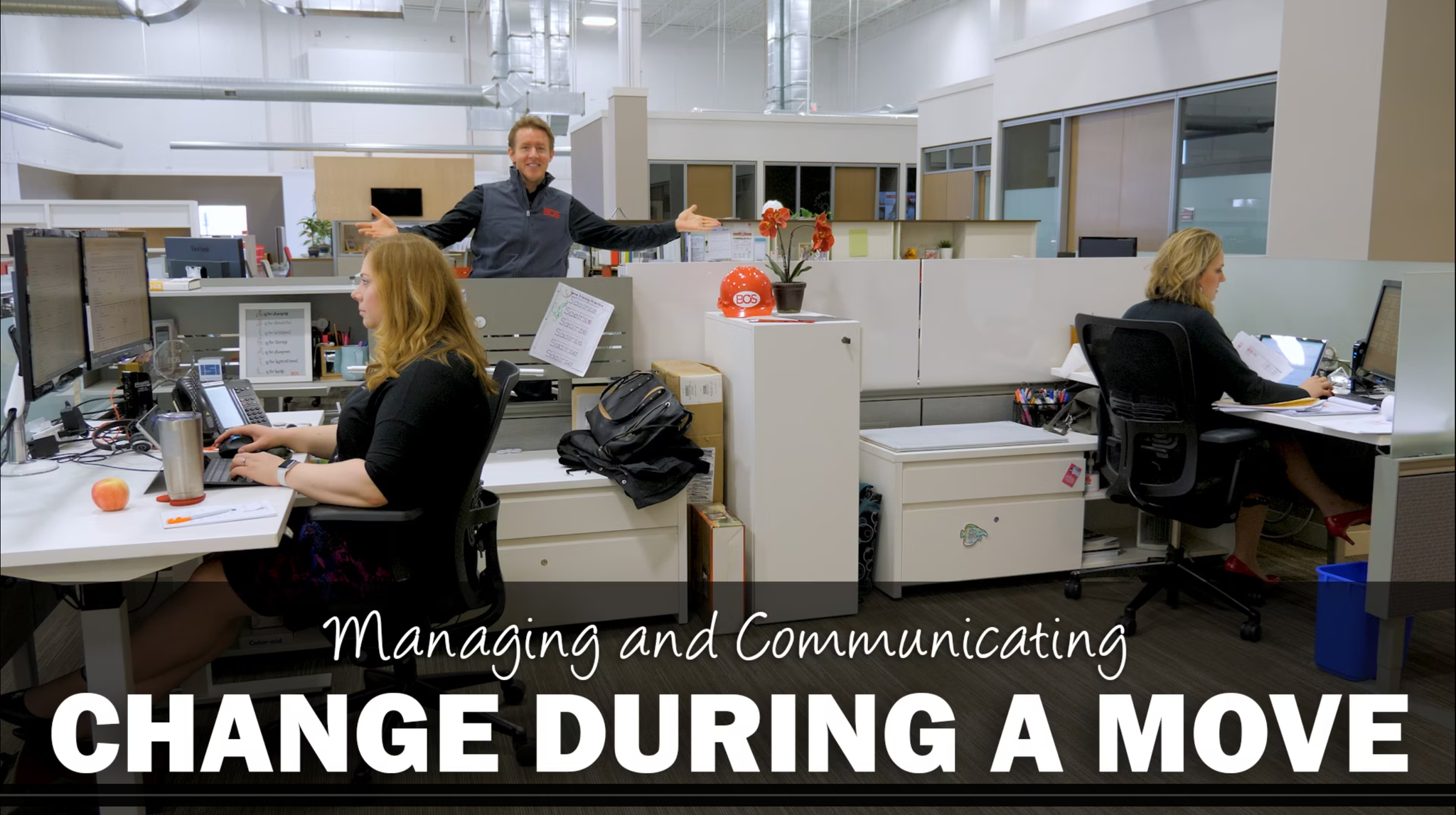
Workstations are traditionally either panel-based or non-panel based. In the video we see a panel-based system. These monolithic panels – which is another way of saying a single piece are fit into frames. We can run power and data in between. The panels systems also often allow for flexibility with arrangement, height and configuration.
Non-panel based workstations come in a variety of types, two common forms are benching and desking. These are often free-standing systems with a beam or spine providing power to the cluster. These applications became popular in open office environments and often allowed for a higher density of users in a space.
The difference between desking and benching can be a little confusing – sometimes the terms are used interchangeable. Know that benching applications are usually long, shared worksurfaces that are flexible, configurable and often less expensive that other options.
Benching setups are often more involved with more storage, privacy, creative options and isolated working zones.
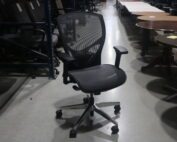
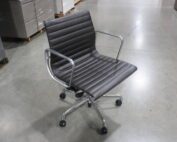
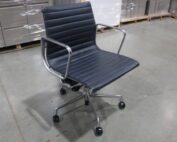
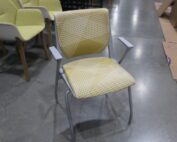
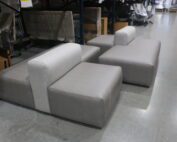
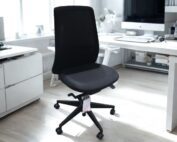
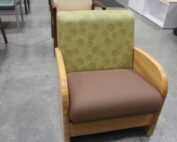
Next we have seating, which can be broken into many categories: Task seating. Executive seating. Side and guest seating. Lounge seating. Training and nesting.
We often refer to workstations and private offices as typicals.
Speaking of private offices, you may hear these referred to as casegoods.
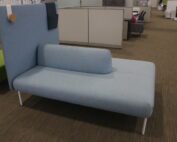
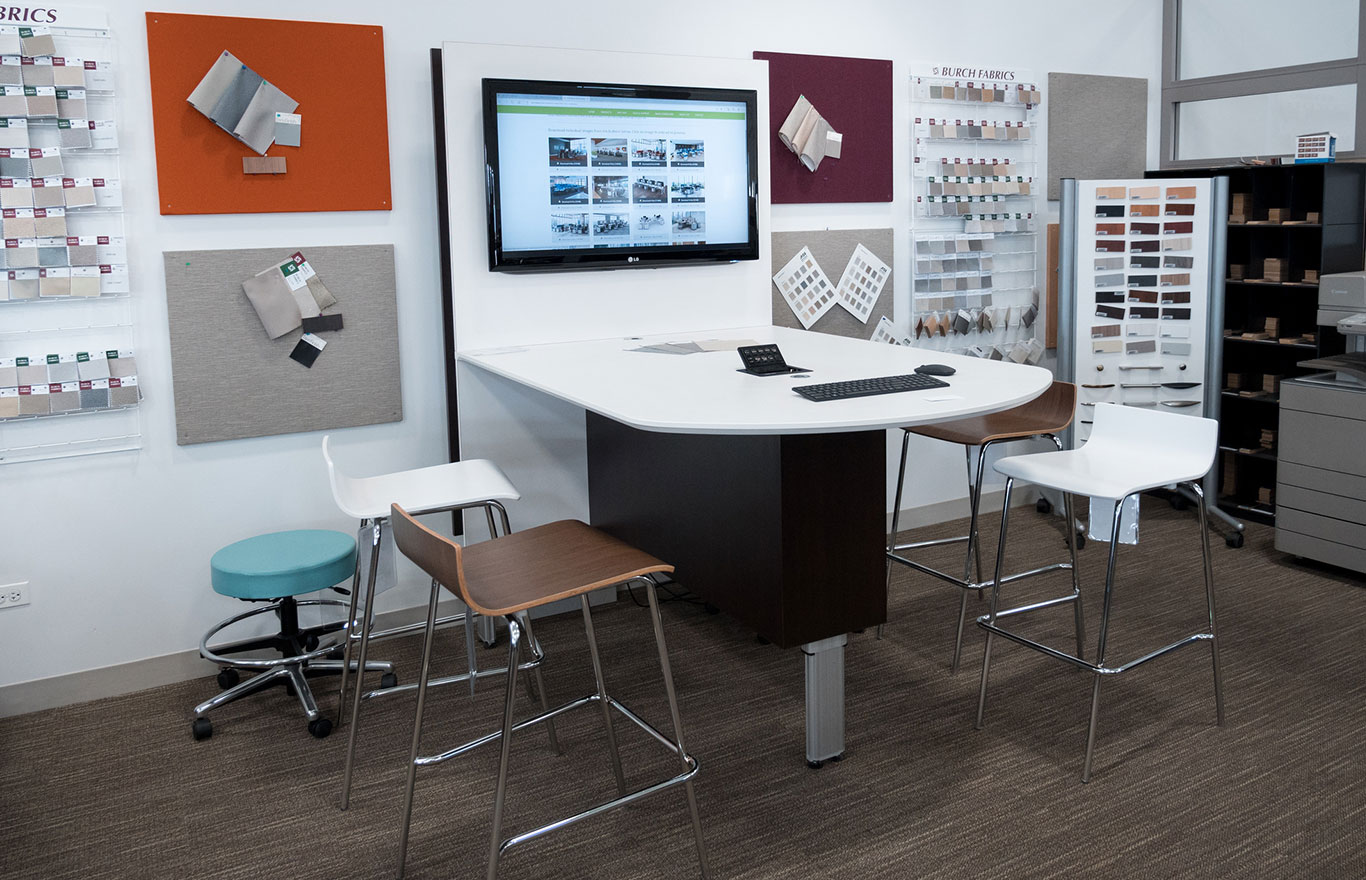
The other furniture in a space is often referred to as ancillary: In lounges, meetings spaces, training areas, cafes, touchdown areas and social spaces.
Some people use the term 'resimercial' to describe the modern design trend of creating a residential feel in a commercial space.
Finally, we have walls, structural walls are part of the building, but modular walls – sometimes called demountable or architectural walls can be specified with the furniture plan, are recorded in the financials differently and offer a greater range of flexible and options in a space.
This knowledge will help you talk the talk so you can walk the walk when creating your next high performing working environment!